English
 Hindi
Hindi





Makki Roti – tips to make perfect Makki di Roti at home
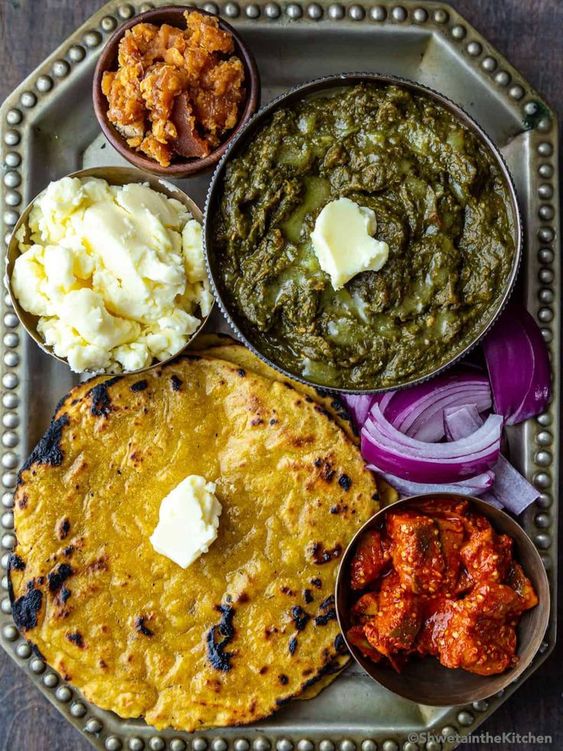
Makki di roti is one of those stereotypical foods that are seasonal and dusted off (pun intended) for a short period of time in honor of the season and cultural heritage. In Punjab or anywhere in northern India you will be presented saag with said roti repeatedly until the end of winter. It’s a carb rich meal that induces the best afternoon siestas I have known. Made better with a charpoy laid out under the open sky to absorb the most winter sunshine possible. Gather up some quilts. Chit chat with your fellow lunchers and drift into a cozy sleep. Bliss!You’ll find numerous articles on news websites from India touting the health attributes of a meal of saag and makki ki roti. There is no denying that green leafy vegetables are generally high in certain nutrients such as antioxidants, various vitamins and iron. Whether our ancestors knew that, had perhaps observed the impact of winter greens on health and well being is something we won’t know for sure. But we do know that there is a seasonal calendar of fruits and vegetables across the world. Such is nature’s cycle that invariably seasonal produce bolsters immunity and compensates for the micro and macro nutrients we need. Sakshi and I talk about our favorite winter foods on the podcast. You can hear it here. Try to eat the calendar!
Recent Posts


खाते ही पेट फूलना? गैस नहीं, भारत में महामारी की तरह चुपचाप फैल रही है बीमारी, सड़ा देती है लिवर

iPhone 17 Series का क्रेज, करीब 70 प्रतिशत लोग खरीदना चाहते हैं नए आईफोन, सबसे ज्यादा बिकेगा ये मॉडल

रिश्तेदारों ने सोचा मैं पापा का बिजनेस नहीं संभाल सकूंगा, लेकिन पिता की मौत ने मुझे एक रात में बड़ा बना दिया

भारत पर टैरिफ कम नहीं करूंगा... ट्रंप ने फिर दिखाया सख्त रुख, हार्ले डेविडसन के बहाने घेरने की कोशिश



ਚਾਂਦੀ 1.25 ਲੱਖ ਤੋਂ ਪਾਰ, ਨਿਵੇਸ਼ ਕਰਨਾ ਹੈ ਤਾਂ ਜਵੈਲਰੀ 'ਚ ਨਹੀਂ, ਭਾਂਡਿਆਂ 'ਚ ਲਗਾਓ ਪੈਸਾ

More About Shoperclub

Shoper Club is largest and most trusted marketplace for Resellers, who sell products online through WhatsApp and Facebook. Trusted by thousands of resellers, It helps them grow their online business by providing, Hit products at Lowest prices Best Quality with Easy Return policy Doorstep Delivery all over India Online & COD Payment Options.
Subscribe to our newsletter for regular updates about Offers, Coupons & more
Follow Us
Mobile Apps