English
 Hindi
Hindi





6 Factors That Can Affect How Many Calories You Burn
Nov 24, 2023
Health and fitness

- Maintaining a healthy lifestyle often involves understanding and managing the factors that influence calorie expenditure. The number of calories your body burns is a dynamic process influenced by various elements. Here are six key factors that can affect how many calories you burn:
- Basal Metabolic Rate (BMR):
- Your basal metabolic rate is the number of calories your body needs to perform basic functions at rest. Factors such as age, gender, and genetics contribute to your BMR. Typically, as you age, your BMR decreases, and men tend to have a higher BMR than women. Understanding your BMR provides a baseline for estimating daily caloric needs.
- Physical Activity:
- Engaging in physical activities significantly impacts calorie expenditure. Both aerobic exercises like running or cycling and strength training increase calorie burning during the activity and can elevate your metabolism even after you've finished exercising. The intensity and duration of your workouts play a crucial role in determining the overall calorie burn.
- Muscle Mass:
- Muscles are more metabolically active than fat tissue. Individuals with higher muscle mass burn more calories at rest. Therefore, incorporating strength training into your fitness routine can contribute to increased calorie expenditure. As you build and maintain muscle, your body becomes more efficient at burning calories.
- Dietary Thermogenesis:
- The process of digesting, absorbing, and storing nutrients from the food you eat contributes to calorie expenditure, known as dietary thermogenesis. Protein-rich foods, for instance, require more energy for digestion compared to fats and carbohydrates. Eating a balanced diet with a focus on nutrient-dense foods can enhance the calorie-burning effect of dietary thermogenesis.
- Environmental Factors:
- External elements, such as temperature and altitude, can influence calorie expenditure. In colder environments, your body may burn more calories to maintain a stable internal temperature, while higher altitudes can increase energy expenditure due to the additional effort required for activities. These factors, although less controllable, play a role in the overall energy balance.
- Hormones and Health Conditions:
- Hormonal imbalances and certain health conditions can impact how your body processes and burns calories. For instance, conditions like hypothyroidism can slow down metabolism, leading to decreased calorie expenditure. Hormones such as cortisol, which is released in response to stress, can also influence metabolism. Managing overall health through regular check-ups and a balanced lifestyle is essential.
Understanding these factors allows individuals to make informed decisions about their lifestyle choices. Incorporating a combination of regular physical activity, a balanced diet, and lifestyle adjustments tailored to individual needs can contribute to effective weight management and overall well-being.
Recent Posts

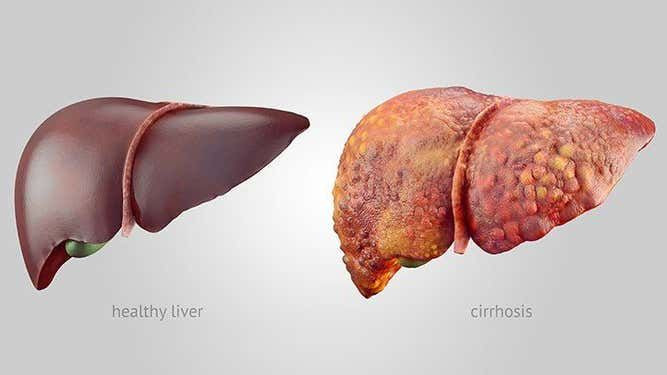
खाते ही पेट फूलना? गैस नहीं, भारत में महामारी की तरह चुपचाप फैल रही है बीमारी, सड़ा देती है लिवर
Sep 30, 2025
Health and fitness
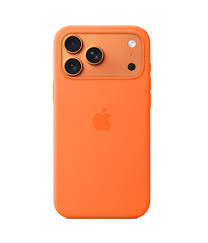
iPhone 17 Series का क्रेज, करीब 70 प्रतिशत लोग खरीदना चाहते हैं नए आईफोन, सबसे ज्यादा बिकेगा ये मॉडल
Sep 04, 2025
Mobile and Tablets

रिश्तेदारों ने सोचा मैं पापा का बिजनेस नहीं संभाल सकूंगा, लेकिन पिता की मौत ने मुझे एक रात में बड़ा बना दिया
Sep 04, 2025
Struggles journey Articale

भारत पर टैरिफ कम नहीं करूंगा... ट्रंप ने फिर दिखाया सख्त रुख, हार्ले डेविडसन के बहाने घेरने की कोशिश
Sep 04, 2025
News Update


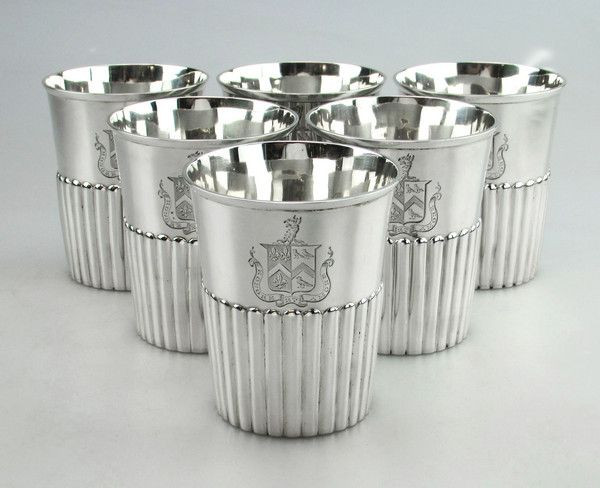
ਚਾਂਦੀ 1.25 ਲੱਖ ਤੋਂ ਪਾਰ, ਨਿਵੇਸ਼ ਕਰਨਾ ਹੈ ਤਾਂ ਜਵੈਲਰੀ 'ਚ ਨਹੀਂ, ਭਾਂਡਿਆਂ 'ਚ ਲਗਾਓ ਪੈਸਾ
Sep 03, 2025
Trending

More About Shoperclub

Shoper Club is largest and most trusted marketplace for Resellers, who sell products online through WhatsApp and Facebook. Trusted by thousands of resellers, It helps them grow their online business by providing, Hit products at Lowest prices Best Quality with Easy Return policy Doorstep Delivery all over India Online & COD Payment Options.
Subscribe to our newsletter for regular updates about Offers, Coupons & more
Follow Us
Mobile Apps